ChatGPT Image Apr 15, 2025, 12_04_16 PM

How to Build a Strong Brand on Social Media

In today’s digital world, social media is more than just a platform for interaction—it’s a powerful tool for brand building. Whether you’re a small business or an established enterprise, social media branding can significantly influence your audience’s perception and loyalty. With the right content strategy and consistent engagement, your brand can thrive online. At Nishu Digital Solutions, we specialize in helping businesses harness the power of social media to create impactful and lasting brand identities.


1. Define Your Brand Voice and Personality

The first step to building a strong brand on social media is understanding who you are as a brand. Your brand voice—whether professional, quirky, friendly, or bold—should be consistent across all platforms. A well-defined personality makes your content relatable and memorable.

💡 Tip: Develop brand guidelines that include tone of voice, preferred colors, font styles, and messaging dos and don’ts.


2. Create a Strategic Content Plan

A solid content strategy is the backbone of social media branding. Plan content that resonates with your audience, adds value, and reflects your brand values. Use a mix of formats—images, videos, carousels, reels, and stories—to keep your feed dynamic and engaging.

Key content ideas:

  • Behind-the-scenes looks

  • User-generated content

  • Educational tips related to your niche

  • Customer testimonials and case studies

📅 Use a content calendar to maintain consistency and avoid last-minute scrambling.


3. Focus on Visual Identity

Visuals are crucial to brand recognition. Your social media posts should use consistent colors, filters, and design styles that align with your brand identity. This builds familiarity and trust with your audience.

🖌️ Design branded templates using tools like Canva, Adobe Express, or Figma.


4. Engage With Your Audience

Brand engagement is more than just likes and shares—it’s about building relationships. Respond to comments, answer DMs, join conversations, and show appreciation to your followers. This helps build a loyal and active community.

🤝 Engagement is a two-way street—your audience wants to feel heard and valued.


5. Leverage Analytics to Refine Your Strategy

Track performance using platform analytics (like Instagram Insights or Facebook Business Suite). Monitor which posts perform best, when your audience is most active, and what content drives engagement. Use these insights to tweak your strategy for better results.

📊 Consistent monitoring = continuous improvement.


6. Collaborate with Influencers & UGC Creators

Partnering with micro-influencers and encouraging user-generated content can amplify your reach and authenticity. People trust people—real content from real users often outperforms polished brand posts.

📣 Nishu Digital Solutions can help connect your brand with the right influencers for targeted campaigns.


7. Maintain Platform-Specific Strategies

Every platform is different. What works on LinkedIn might flop on TikTok. Tailor your tone, content type, and posting frequency based on the platform.

Focus platforms for 2025:

  • Instagram for visual storytelling

  • LinkedIn for thought leadership

  • YouTube Shorts and TikTok for short-form video marketing


8. Stay Updated with Trends

Social media is fast-paced. New features and trends pop up constantly. Be agile—participate in relevant challenges, use trending audio, and adapt to algorithm changes to stay ahead.

🧠 Stay creative, but always stay authentic to your brand voice.


Conclusion

Building a strong brand on social media requires a mix of creativity, consistency, and data-driven decision-making. A well-crafted content strategy, strong visual identity, and active brand engagement can set your business apart in a competitive digital landscape.

With expert help from Nishu Digital Solutions, you can elevate your social media branding game, drive more engagement, and turn followers into loyal customers.

ChatGPT Image Apr 11, 2025, 12_29_21 AM

💻 Top 5 Web Development Languages to Learn in 2025 🌐

Top 5 Web Development Languages to Learn in 2025

As the web continues to evolve rapidly, developers must keep up with modern programming languages to stay relevant and competitive. Whether you’re building responsive websites, powerful web applications, or contributing to the next big tech startup, knowing the right languages is key.

Here are the top 5 web development languages to learn in 2025, based on demand, versatility, community support, and future-proof capabilities.


1. JavaScript – The Language of the Web

Still reigning supreme, JavaScript remains the backbone of modern web development. It’s essential for creating dynamic and interactive websites, and with frameworks like React, Vue, and Next.js continuing to thrive, it’s not going anywhere.

Why Learn JavaScript in 2025:

  • It’s supported by every modern browser.

  • Dominates the frontend and increasingly the backend (thanks to Node.js).

  • Huge ecosystem and job opportunities.

Use Cases: Interactive websites, SPAs, mobile apps (React Native), real-time web apps.
Pro Tip: Learn TypeScript alongside JavaScript for more scalable, maintainable code.


2. Python – Simplicity Meets Power

While Python isn’t traditionally associated with frontend development, it’s an essential backend language with rising popularity in web development, data science, AI, and automation. Frameworks like Django and Flask make web app development fast and secure.

Why Learn Python in 2025:

  • Clean syntax and beginner-friendly.

  • Great for backend development + integrates easily with AI tools.

  • High demand in full-stack and AI-powered web apps.

Use Cases: Backend APIs, dashboards, AI-powered platforms, CMS systems.
Pro Tip: Use Django for larger projects and Flask for lightweight applications.


3. TypeScript – The Modern JavaScript

TypeScript is JavaScript’s strongly typed superset, and it’s now a must-learn language for any serious frontend (and even full-stack) developer. Its popularity has exploded due to its maintainability, scalability, and support from major frameworks like Angular and React.

Why Learn TypeScript in 2025:

  • More reliable and readable code.

  • Preferred language in large codebases and enterprise environments.

  • Growing demand in modern web apps.

Use Cases: Enterprise-grade apps, SPAs, React/Angular-based projects.
Pro Tip: Start writing new projects in TypeScript to develop clean, future-proof code.


4. Go (Golang) – Speed & Simplicity for the Backend

Go, developed by Google, is becoming a go-to language for developers looking for high performance and efficient backend systems. Its concurrency model and performance make it ideal for building microservices and scalable web apps.

Why Learn Go in 2025:

  • Efficient, compiled language with great performance.

  • Easy to learn compared to Java or C++.

  • Popular for cloud-native and API-driven apps.

Use Cases: Backend APIs, cloud infrastructure, microservices.
Pro Tip: Combine Go with frontend frameworks like React or Svelte for a modern stack.


5. Rust – The Secure & Fast Contender

Rust is gaining traction as a secure, high-performance language for both backend and systems-level programming. In 2025, more developers are embracing Rust for web assembly (WASM) and building fast, memory-safe applications.

Why Learn Rust in 2025:

  • Memory safety without garbage collection.

  • Excellent for performance-intensive applications.

  • Growing web development capabilities through frameworks like Rocket and Yew.

Use Cases: WebAssembly apps, secure web servers, performance-critical web tools.
Pro Tip: Use Rust + WebAssembly (WASM) for building web apps with near-native speed.


Bonus Mentions

  • PHP: Still relevant for CMS platforms like WordPress and Laravel-powered apps.

  • Ruby: Niche but efficient with Rails for rapid MVP development.

  • Dart + Flutter Web: Rising for cross-platform development including the web.


Conclusion

The world of web development is diverse and constantly changing. Whether you’re a beginner or an experienced developer, mastering a combination of frontend and backend languages will open doors to countless opportunities. In 2025, the languages above will not only enhance your development skills but also position you for success in a competitive market.

Start learning today—and future-proof your career in web development!

ChatGPT Image Mar 31, 2025, 11_57_06 AM

AI in Digital Marketing: How Automation is Changing the Game

Artificial Intelligence (AI) is reshaping the landscape of digital marketing, making campaigns more efficient, data-driven, and personalized. With the rise of AI in marketing, businesses can now leverage automation to optimize processes, improve customer engagement, and enhance return on investment (ROI). As technology advances, AI-driven tools are becoming an essential part of modern digital marketing strategies.

The Role of AI in Digital Marketing

AI enables marketers to analyze vast amounts of data, predict consumer behavior, and automate repetitive tasks. Here’s how AI is revolutionizing digital marketing:

  • Marketing Automation: AI streamlines tasks such as email marketing, social media scheduling, and ad targeting, reducing manual effort.

  • AI-Powered SEO: Search engine optimization (SEO) is becoming smarter with AI-based algorithms that analyze user intent, optimize content, and improve search rankings.

  • Chatbot Marketing: AI-driven chatbots provide instant responses, enhance customer interactions, and drive lead conversions.

  • Predictive Analytics: AI helps businesses understand customer preferences and create personalized marketing strategies.

  • Content Generation: AI-powered tools assist in creating high-quality blog posts, social media content, and ad copies.

Key Benefits of AI in Marketing

  1. Enhanced Personalization: AI can analyze user behavior and tailor marketing messages to specific audience segments.

  2. Improved Customer Experience: Chatbots and AI assistants provide real-time customer support, improving satisfaction levels.

  3. Data-Driven Decision Making: AI tools help marketers make informed decisions by analyzing data trends.

  4. Higher Efficiency & Cost Reduction: Automating repetitive tasks saves time and resources, allowing teams to focus on strategy.

  5. Better Ad Targeting: AI-powered ad platforms use machine learning to optimize ad placements for higher conversions.

AI-Powered Tools Shaping Digital Marketing

Marketers are increasingly using AI-driven tools to refine their strategies. Some of the most impactful AI tools include:

  • ChatGPT & Jasper – AI-based content creation and copywriting.

  • Google’s RankBrain & BERT – AI-driven search algorithms for better SEO ranking.

  • HubSpot & Marketo – Marketing automation platforms for email and lead nurturing.

  • Hootsuite & Buffer – AI-based social media management tools.

  • Google Ads & Facebook AI Ads – Smart ad platforms that optimize campaigns in real-time.

The Future of AI in Digital Marketing

AI will continue to evolve, bringing new possibilities for digital marketing. Some future trends include:

  • Voice Search Optimization: With the rise of smart assistants, businesses must adapt their content for voice-based searches.

  • AI-Generated Video Content: Video marketing will become more AI-driven, enabling automated editing and personalized recommendations.

  • Hyper-Personalization: AI will further refine customer segmentation, creating ultra-targeted marketing campaigns.

  • AI in Influencer Marketing: AI-powered tools will help brands identify the right influencers and measure campaign effectiveness.

Conclusion

AI in digital marketing is not just a trend; it is a transformative force that is reshaping how businesses interact with customers. From marketing automation to AI-powered SEO and chatbot marketing, AI is making marketing more effective and data-driven. As AI technology continues to advance, businesses must embrace these innovations to stay ahead in the competitive digital landscape. Implementing AI-powered strategies will not only enhance customer engagement but also drive significant business growth in the years to come.


DALL·E 2025-03-26 11.18.43 - A futuristic digital illustration representing Web 3.0 technology. The image showcases a decentralized web with blockchain networks, smart contracts,

Web 3.0: The Next Evolution of the Internet

Web 3.0: The Next Evolution of the Internet

The internet has undergone significant transformations over the years, from the static web pages of Web 1.0 to the dynamic and interactive platforms of Web 2.0. Now, the world is moving toward Web 3.0 technology, a decentralized and blockchain-powered future that promises to revolutionize how we interact online. This new era brings enhanced security, transparency, and user control, shaping the future of the internet in ways never seen before.

Understanding Web 3.0

Web 3.0 is the next phase of internet evolution, focusing on decentralization, blockchain technology, and smart contracts. Unlike Web 2.0, which relies on centralized platforms controlled by tech giants, Web 3.0 enables users to have greater autonomy over their data and digital assets.

Key Features of Web 3.0

  • Decentralization – Eliminates the need for intermediaries by distributing data across blockchain networks.

  • Blockchain and Web3 Integration – Ensures secure, immutable transactions and digital ownership.

  • Interoperability – Different platforms and applications can seamlessly communicate through decentralized protocols.

  • Enhanced Privacy & Security – Users control their own data, reducing the risk of unauthorized access and breaches.

  • Artificial Intelligence (AI) & Machine Learning – Automates processes and improves user experience through intelligent algorithms.

How Web 3.0 Transforms Industries

With Web 3.0 technology at the forefront, industries across the globe are experiencing groundbreaking changes. Some key sectors benefiting from Web 3.0 include:

  • Finance (DeFi – Decentralized Finance): Blockchain-based platforms enable users to conduct transactions without intermediaries like banks.

  • E-commerce: Trustless transactions and smart contracts streamline online purchases and ensure buyer protection.

  • Healthcare: Secure patient records on blockchain enhance privacy and data accuracy.

  • Social Media: Decentralized social platforms prioritize user privacy and eliminate data exploitation by tech companies.

  • Gaming & NFTs: Players can truly own in-game assets and trade them on blockchain marketplaces.

The Role of dApps in Web 3.0

Decentralized applications (dApps) are a crucial component of Web 3.0. These applications operate on blockchain networks, offering advantages like:

  • Transparency – Open-source code ensures no hidden algorithms manipulate data.

  • Censorship Resistance – No single entity can control or shut down the application.

  • Monetization Opportunities – Users can earn rewards through tokenized ecosystems and decentralized finance models.

Challenges and Future of Web 3.0

Despite its potential, Web 3.0 faces some challenges:

  • Scalability Issues: Blockchain networks must handle massive data loads efficiently.

  • User Adoption: Transitioning from traditional internet models requires awareness and education.

  • Regulatory Concerns: Governments and financial institutions are still defining laws around blockchain and decentralized platforms.

However, with continuous advancements in Web 3.0 technology, these challenges are being addressed. As businesses and individuals embrace the decentralized web, the internet will become more secure, user-centric, and innovative.

Conclusion

The shift to Web 3.0 is redefining the digital landscape, offering enhanced security, data ownership, and decentralized applications. As the future of the internet unfolds, businesses and users alike must adapt to this new era, leveraging blockchain and Web3 innovations for a more transparent and user-driven online experience. Whether through dApps, NFTs, or DeFi, Web 3.0 is paving the way for an exciting, decentralized digital future.


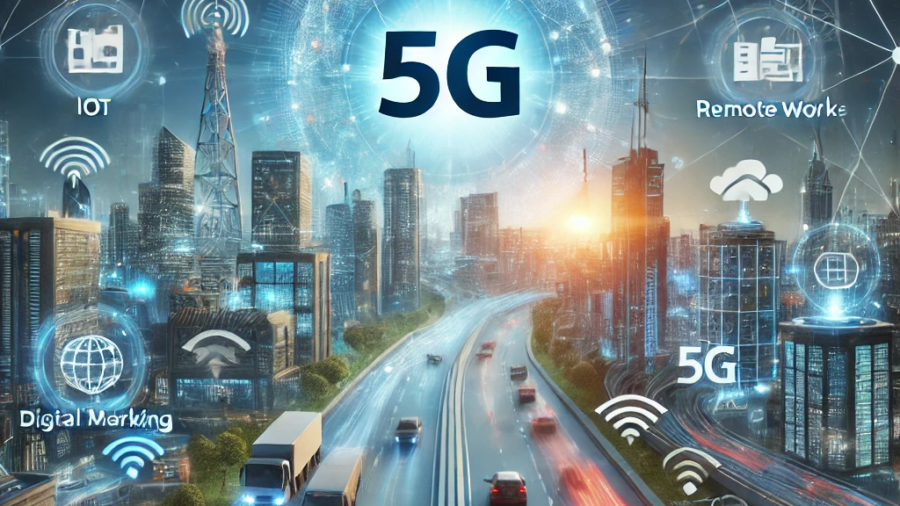
DALL·E 2025-02-22 16.33.03 - A futuristic digital illustration showcasing the impact of 5G technology on connectivity and business. The image features a smart city with IoT-enable

The Impact of 5G Technology on Connectivity & Business

With the rapid evolution of digital infrastructure, 5G technology is revolutionizing connectivity and transforming industries. As businesses and consumers shift toward faster, more reliable networks, 5G opens doors for innovation in the Internet of Things (IoT), smart cities, and beyond. Companies like Nishu Digital Solutions can leverage this technological leap to enhance digital experiences, streamline operations, and create cutting-edge solutions.

1. The Benefits of 5G Networks

The arrival of 5G brings several advantages over previous generations of wireless technology:

  • Ultra-Fast Speeds: With speeds up to 100 times faster than 4G, businesses can transfer large amounts of data instantly.

  • Low Latency: Near-zero lag ensures seamless real-time applications, essential for IoT and remote operations.

  • Higher Capacity: 5G can support more connected devices per square kilometer, ideal for densely populated areas and industrial automation.

  • Improved Reliability: Enhanced network stability allows businesses to operate critical applications without downtime.

2. 5G and the Internet of Things (IoT)

The combination of 5G and IoT is reshaping industries by enabling smarter and more connected environments:

  • Smart Homes & Offices: IoT-enabled devices can communicate in real-time, improving automation and energy efficiency.

  • Healthcare Innovations: Remote patient monitoring, AI-assisted diagnostics, and telemedicine thrive on 5G-powered IoT solutions.

  • Manufacturing & Logistics: Real-time tracking, predictive maintenance, and automated supply chains become more efficient with low-latency 5G networks.

3. 5G’s Role in Smart Cities

Cities worldwide are adopting 5G to enhance urban living and streamline public services:

  • Traffic & Transportation: AI-driven traffic management and autonomous vehicles benefit from ultra-fast connectivity.

  • Public Safety: 5G-powered surveillance and emergency response systems improve city security.

  • Sustainable Infrastructure: Smart grids and environmental monitoring systems optimize energy consumption and reduce carbon footprints.

4. How Businesses Can Leverage 5G for Innovation

Businesses, including digital marketing agencies in Lucknow like Nishu Digital Solutions, can utilize 5G to enhance their operations:

  • Enhanced Digital Marketing: Faster connections allow businesses to deliver high-quality video ads, VR experiences, and real-time customer interactions.

  • E-commerce & Mobile Payments: With improved speeds and security, mobile transactions become seamless, enhancing customer experience.

  • Remote Work & Collaboration: Cloud computing, AI-driven customer support, and remote workforce management become more efficient.

5. Future of 5G and Business Growth

The expansion of 5G technology in India presents immense opportunities for businesses to innovate and stay ahead of the competition. Whether it’s website development, digital marketing, or AI-driven solutions, Nishu Digital Solutions and similar enterprises can harness 5G’s potential to provide next-level services.

Conclusion

As 5G adoption continues to grow, industries must embrace this technology to enhance connectivity, improve efficiency, and drive innovation. Businesses that integrate 5G-powered digital solutions will gain a competitive edge in a fast-evolving digital landscape. Companies like Nishu Digital Solutions are at the forefront of this transformation, helping brands navigate the 5G-driven digital revolution.


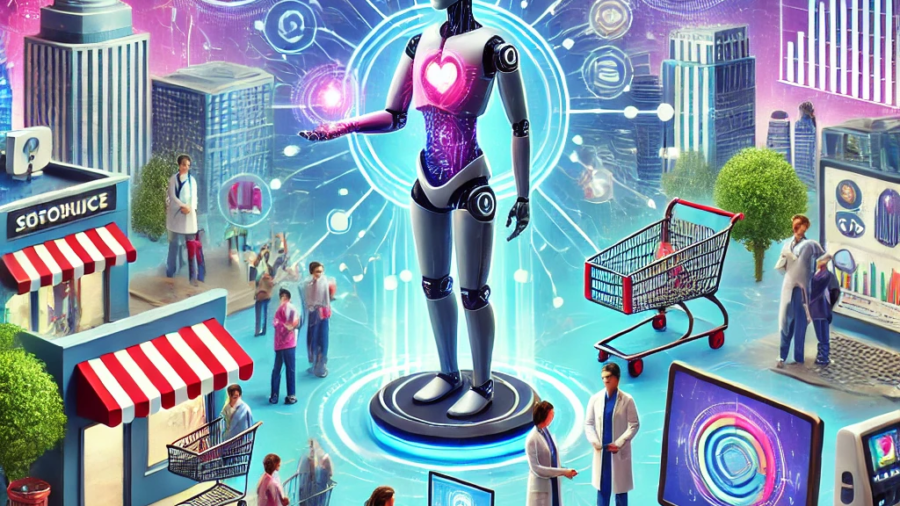
DALL·E 2025-02-20 10.12.28 - A futuristic digital illustration depicting artificial intelligence transforming various industries. The image features AI-powered robots assisting do

The Rise of Artificial Intelligence: How AI is Transforming Industries

Artificial Intelligence (AI) is no longer just a futuristic concept—it is actively reshaping industries worldwide. From healthcare to finance, retail, and marketing, AI-driven technologies are revolutionizing operations, improving efficiency, and enabling data-driven decision-making. As machine learning and automation continue to evolve, businesses must adapt to remain competitive in an AI-driven world.

1. AI in Healthcare: Enhancing Patient Care and Diagnosis

The healthcare industry is one of the biggest beneficiaries of AI advancements. AI-powered tools are improving patient care in several ways:

  • Early Disease Detection: AI algorithms analyze medical images to detect diseases like cancer at early stages.

  • Personalized Treatment Plans: Machine learning enables customized treatment recommendations based on a patient’s medical history.

  • Automated Administrative Tasks: AI assists in streamlining administrative processes, reducing paperwork, and enhancing efficiency.

2. AI in Finance: Revolutionizing Risk Assessment and Fraud Detection

The financial sector relies on AI to enhance security, efficiency, and customer experiences:

  • Fraud Prevention: AI detects suspicious activities and minimizes fraudulent transactions in real time.

  • Algorithmic Trading: AI-driven trading bots analyze market trends and execute trades with precision.

  • Customer Support: AI-powered chatbots and virtual assistants handle customer inquiries, improving response times.

3. AI in Retail: Enhancing Customer Experience and Supply Chain Management

Retail businesses are leveraging AI to offer personalized shopping experiences and optimize logistics:

  • Chatbots & Virtual Assistants: AI-driven customer service tools provide instant assistance and recommendations.

  • Inventory Management: AI predicts demand and automates restocking, reducing waste and stock shortages.

  • Facial Recognition & Checkout-Free Stores: AI-powered stores like Amazon Go eliminate checkout lines and enhance convenience.

4. AI in Marketing: Automating Campaigns and Personalization

Marketing has evolved significantly with AI, enabling brands to connect with customers more effectively:

  • Predictive Analytics: AI analyzes customer behavior to predict purchasing patterns and preferences.

  • Content Generation: AI-powered tools create high-quality content, social media posts, and even ad copy.

  • Automated Ad Targeting: AI optimizes digital ad placements to reach the right audience at the right time.

5. Ethical Concerns and Challenges of AI Development

While AI offers numerous benefits, it also raises ethical questions and concerns:

  • Job Displacement: Automation threatens traditional jobs, requiring workforce adaptation.

  • Bias in AI Algorithms: AI systems can inherit biases from data, leading to unfair decision-making.

  • Data Privacy & Security: AI-powered systems must ensure user data protection and ethical usage.

Conclusion

AI is transforming industries at an unprecedented pace, offering innovation, efficiency, and new opportunities. However, it also comes with challenges that must be addressed responsibly. As businesses continue to integrate AI into their operations, staying informed about advancements and ethical considerations will be crucial. The rise of AI is not just a technological shift—it’s a revolution shaping the future of every industry.


DALL·E 2025-02-17 21.30.20 - A professional photography setup with a high-end camera, lighting equipment, and a photographer capturing stunning product and lifestyle images. The b

How Professional Photography Enhances Your Brand

In the digital age, where visuals dominate online content, professional photography has become a crucial element in branding and marketing. High-quality images not only capture attention but also communicate your brand’s message effectively. Whether for social media, websites, or marketing campaigns, investing in professional photography can significantly enhance your brand presence.

1. How Professional Photos Boost Engagement and Conversions

Visual content is more engaging than text alone. Studies show that people process images faster than words, making professional photography a powerful tool for capturing interest. Here’s how high-quality imagery impacts engagement and conversions:

  • Increased Trust: Well-composed, high-resolution images make brands appear more credible and professional.

  • Higher Engagement Rates: Social media posts with images generate significantly more likes, shares, and comments.

  • Improved Conversion Rates: E-commerce and service-based businesses see higher conversion rates when using clear, attractive product or lifestyle images.

Businesses looking for professional photography for marketing can leverage high-quality visuals to stand out in a competitive digital landscape.

2. Examples of Using Imagery in Marketing Campaigns

Professional photography plays a crucial role in various marketing efforts. Some common applications include:

  • Product Photography: Crisp, high-resolution product images drive online sales and influence purchasing decisions.

  • Lifestyle Photography: Showcasing products or services in real-life scenarios helps customers relate to the brand.

  • Corporate Branding: Professional headshots and team photos add a human touch to company websites and social media.

  • Social Media Content: Aesthetic and engaging photos attract more followers and interactions on platforms like Instagram and LinkedIn.

3. Tips for Choosing the Right Photographer for Your Brand

Selecting a professional photographer who aligns with your brand vision is key. Here’s what to consider:

  • Portfolio & Style: Review past work to ensure their photography style complements your brand identity.

  • Industry Experience: A photographer with experience in your niche will understand what works best for your target audience.

  • Post-Production Quality: Editing and retouching skills can enhance the final output.

  • Budget & Availability: Ensure the photographer fits within your marketing budget while meeting deadlines.

4. The Role of Visuals in Creating Emotional Connections

Emotions drive consumer decisions, and visuals are a direct way to connect with your audience. Through professional photography, brands can:

  • Tell a Story: High-quality images convey brand narratives and values more effectively.

  • Evoke Emotions: Warm, vibrant, or dramatic imagery influences how consumers perceive a brand.

  • Build Recognition: Consistent, high-quality photos create a strong brand identity across all platforms.

Conclusion

Investing in professional photography is one of the best visual content strategies for businesses looking to enhance brand perception, improve engagement, and boost conversions. Whether you’re aiming for brand storytelling with images or simply want to refine your digital presence, high-quality visuals will set you apart. Start incorporating professional photography into your marketing efforts and see the difference it makes!


DALL·E 2025-02-03 21.43.45 - A futuristic digital illustration depicting the future of SEO in 2025. The image features a high-tech search engine interface with elements representi

The Future of SEO: Trends to Watch in 2025


Search engine optimization (SEO) continues to evolve as search engines refine their algorithms and user behavior shifts. Businesses looking to stay ahead in digital marketing must adapt to new SEO trends that will define 2025. Here are the key developments that will shape SEO strategies in the coming year.

1. Voice Search Optimization and Conversational Queries

With the rise of voice assistants like Alexa, Google Assistant, and Siri, optimizing for voice search is crucial. In 2025, more users will rely on voice queries, which tend to be longer and more conversational. To optimize for voice search:

  • Focus on natural language and long-tail keywords.

  • Answer common questions directly in content.

  • Use structured data to enhance search engine understanding.

2. The Growing Importance of Local SEO

Local businesses must prioritize local SEO to remain competitive. Google’s emphasis on localized search results means optimizing for “near me” searches is more important than ever. Key strategies include:

  • Ensuring accurate and updated Google My Business (GMB) listings.

  • Gathering and managing customer reviews.

  • Creating locally focused content.

For businesses in Lucknow, leveraging digital marketing in Lucknow with strong local SEO efforts can drive significant growth.

3. Focus on High-Quality, AI-Generated, and Video Content

Content remains king, but in 2025, AI-driven content creation and video marketing will dominate. Search engines will favor:

  • AI-Generated Content: Using AI tools to assist in content creation while maintaining a human touch.

  • Video Content: Short-form and long-form video content optimized with keywords and transcriptions.

  • Interactive Content: Quizzes, polls, and infographics to engage users.

Businesses investing in SEO services for businesses should prioritize multimedia content for higher engagement and visibility.

4. Technical SEO Trends: Core Web Vitals and Structured Data

Google’s Core Web Vitals continue to be a major ranking factor, focusing on website speed, interactivity, and visual stability. Businesses should:

  • Optimize page loading speeds.

  • Ensure mobile responsiveness and user-friendly navigation.

  • Implement structured data (schema markup) to help search engines better understand content.

Conclusion

The future of SEO in 2025 will be shaped by advancements in voice search, local SEO, AI-generated content, video marketing, and technical SEO improvements. Implementing the best SEO strategies for 2025 will ensure that businesses stay visible in search rankings and drive long-term digital success. Whether you’re investing in SEO services for businesses or focusing on digital marketing in Lucknow, staying ahead of these trends will be crucial for online growth.


DALL·E 2025-02-01 11.15.16 - An engaging digital illustration of social media marketing driving business growth. The image features a laptop and smartphone displaying social media

How Social Media Marketing Drives Business Growth

In today’s digital landscape, social media marketing has become an indispensable tool for businesses looking to expand their reach, engage with customers, and boost conversions. With billions of active users across platforms, leveraging social media effectively can significantly enhance brand visibility and drive sustainable business growth. Here’s how social media marketing fuels success and what strategies businesses should adopt in 2025.

1. The Power of Social Media for Customer Engagement and Conversions

Social media is not just about posting content; it’s about building relationships. Businesses can use platforms to:

  • Engage directly with their audience through comments, messages, and live sessions.

  • Build brand loyalty by responding to customer queries and feedback in real-time.

  • Drive conversions by integrating e-commerce features and promotional campaigns.

2. Platforms to Focus on in 2025

With evolving trends, certain social media platforms are proving to be more effective for businesses:

  • Instagram: Ideal for visually-driven brands, influencer collaborations, and interactive content like Reels and Stories.

  • Facebook: Great for community-building, marketplace selling, and running targeted Meta Ads.

  • LinkedIn: A professional network essential for B2B marketing, thought leadership, and industry networking.

Choosing the right platform based on business goals and target demographics is crucial for success.

3. The Importance of Storytelling in Social Campaigns

People connect with brands through stories. Engaging storytelling helps businesses:

  • Humanize their brand and create an emotional connection with customers.

  • Showcase their journey, values, and customer testimonials.

  • Make content more shareable, increasing organic reach and engagement.

Effective storytelling in social media marketing involves compelling visuals, authentic messaging, and user-generated content.

4. Using Paid Ads like Meta Ads for Targeted Audiences

Paid social media advertising is an excellent way to reach specific audiences. Meta Ads for small businesses allow precise targeting based on:

  • Demographics (age, gender, location, interests, etc.).

  • Behavioral data and purchase history.

  • Custom and lookalike audiences for retargeting potential customers.

Well-optimized ad campaigns drive higher engagement and conversions while maximizing ROI.

5. Measuring ROI from Social Media Campaigns

To ensure social media efforts translate into business growth, tracking key performance indicators (KPIs) is essential:

  • Engagement Rate: Likes, shares, and comments indicate audience interaction.

  • Conversion Rate: Measures how many social media users take desired actions (purchases, sign-ups, etc.).

  • Customer Acquisition Cost (CAC): Helps businesses evaluate ad spend versus revenue generated.

  • Return on Investment (ROI): Determines overall profitability of social media campaigns.

Conclusion

Social media marketing is a game-changer for businesses looking to expand their reach and boost sales. By leveraging the right platforms, adopting engaging storytelling techniques, utilizing Meta Ads for small businesses, and measuring ROI, businesses can execute targeted social campaigns effectively. Whether you are exploring social media marketing in Lucknow or aiming for a global audience, a well-planned strategy will drive long-term success and business growth.


DALL·E 2025-01-27 16.44.12 - An illustration of a modern business website interface for 2025, showcasing essential features such as mobile responsiveness, clear navigation, fast-l

10 Features Every Business Website Needs in 2025


A well-designed website is no longer just an option for businesses in 2025; it’s a necessity. To ensure your website delivers a stellar user experience and drives conversions, it must incorporate essential features that meet modern digital demands. Whether you’re looking to revamp your website or create a new one, here are 10 must-have features for every business website in 2025.

1. Mobile Responsiveness

With mobile devices accounting for a significant share of web traffic, a mobile-friendly design is non-negotiable. Key aspects of mobile responsiveness include:

  • Adaptive layouts that adjust seamlessly to different screen sizes.

  • Clickable buttons and easy-to-read fonts for a better user experience.

  • Optimized images and videos to maintain performance across devices.

Invest in mobile-friendly websites to capture the attention of on-the-go users and keep them engaged.

2. Speed Optimization

Website speed directly impacts user satisfaction and search engine rankings. Slow-loading websites can lead to high bounce rates and lost opportunities. Ensure your site is optimized with:

  • Compressed images and videos.

  • Efficient coding practices.

  • Reliable hosting solutions.

3. Clear Navigation

User-friendly navigation ensures visitors can quickly find what they’re looking for. Features to prioritize include:

  • Intuitive menus and well-organized categories.

  • A search bar for easy access to specific content.

  • Breadcrumbs to help users track their journey on the site.

4. Strong Call-to-Action (CTA) Buttons

Every business website needs clear and compelling CTAs to guide users toward desired actions, such as making a purchase or signing up for a newsletter. Effective CTAs:

  • Are prominently placed and visually distinct.

  • Use action-oriented language like “Shop Now” or “Get Started.”

5. Integration of Chatbots and Customer Support Tools

In 2025, customer expectations for instant support are higher than ever. Adding chatbots and support tools can:

  • Provide 24/7 assistance.

  • Answer frequently asked questions instantly.

  • Streamline customer queries to the appropriate departments.

For businesses in Lucknow, integrating such features can enhance the user experience and reflect modern professionalism.

6. SEO-Optimized Content

High-quality, optimized content helps your website rank higher on search engines and attracts organic traffic. Strategies include:

  • Incorporating relevant keywords like “website designing & development services in Lucknow” and “best web design practices.”

  • Structuring content with proper headers, bullet points, and short paragraphs.

  • Including alt text for images and videos to boost accessibility and SEO.

7. Multimedia Elements

Visual and interactive elements like images, videos, and infographics improve engagement and break up long text. Ensure:

  • Videos are optimized for faster loading.

  • Images are high-quality and relevant to your content.

  • Slideshows or animations are smooth and enhance storytelling.

8. Secure and Reliable Hosting

Website security is paramount for protecting user data and building trust. Features to prioritize include:

  • SSL certificates to ensure encrypted connections.

  • Regular backups to prevent data loss.

  • Protection against malware and cyber threats.

9. Analytics and Performance Tracking

Tracking user behavior and website performance is crucial for making data-driven improvements. Use tools like:

  • Google Analytics for traffic insights.

  • Heatmaps to understand user interaction.

  • A/B testing for optimizing website elements.

10. Social Media Integration

Seamlessly connecting your website with social media platforms boosts visibility and engagement. Features to include:

  • Social sharing buttons for blog posts and pages.

  • Live social media feeds displaying your latest updates.

  • Links to your social media profiles in the footer or header.

Conclusion

A successful business website in 2025 goes beyond aesthetics; it’s about functionality, user experience, and strategic integration. By incorporating features like mobile responsiveness, speed optimization, SEO-optimized content, and chatbots, you can create a site that stands out and drives conversions. Whether you’re seeking website designing & development services in Lucknow or looking for the best web design practices, these essential features will set your website apart. Start optimizing today and watch your online presence thrive.