

DALL·E 2025-01-24 10.34.38 - An illustration showcasing the importance of graphic design in branding. The image features a professional designer's workspace with tools like a lapt

The Role of Graphic Design in Building a Strong Brand Identity


In today’s competitive marketplace, building a strong brand identity is essential for businesses looking to stand out. At the heart of this process lies professional graphic design, a powerful tool that shapes how your brand is perceived by your audience. From logos to typography and color schemes, every design element plays a critical role in crafting a cohesive and memorable brand identity. Here’s why graphic design matters and how it can transform your brand.

Why Logos, Typography, and Color Schemes Matter

  1. Logos: The Face of Your Brand A logo is often the first thing people associate with a brand. A well-designed logo:

    • Creates a lasting impression.

    • Communicates your brand’s values and personality.

    • Differentiates you from competitors.

    For instance, iconic logos like Nike’s swoosh or Apple’s apple are instantly recognizable and encapsulate their respective brands’ ethos.

  2. Typography: Setting the Tone Typography conveys your brand’s tone and character. For example:

    • Bold and modern fonts exude confidence and innovation.

    • Elegant, serif fonts suggest tradition and sophistication.

    Choosing consistent typography helps establish a professional and unified brand identity.

  3. Color Schemes: Evoking Emotions Colors have a psychological impact on how audiences perceive your brand. For example:

    • Blue symbolizes trust and dependability (e.g., Facebook, LinkedIn).

    • Red conveys energy and passion (e.g., Coca-Cola, YouTube).

    A carefully selected color palette ensures your brand remains visually consistent across all platforms.

Examples of Successful Branding Through Graphic Design

  1. Coca-Cola Coca-Cola’s red-and-white color scheme, combined with its iconic cursive logo, evokes feelings of happiness and nostalgia. This cohesive branding has kept Coca-Cola at the forefront of the beverage industry for decades.

  2. Airbnb Airbnb’s logo, typography, and pastel color palette create a warm and inviting image. The consistent design reinforces its brand promise of belonging and inclusivity.

  3. Spotify Spotify’s sleek design, including its green logo and modern typography, conveys innovation and accessibility, resonating with its tech-savvy audience.

How Cohesive Visuals Build Trust and Recognition

  1. Trust Through Consistency A unified visual identity across websites, social media, packaging, and advertisements fosters trust. When customers recognize your brand at a glance, they’re more likely to feel confident in your products or services.

  2. Recognition in a Crowded Market Memorable designs help your brand stand out. Whether it’s through unique icons, patterns, or imagery, cohesive visuals make your brand more recognizable and relatable.

The Role of Professional Graphic Designers

  1. Turning Ideas into Reality Professional graphic designers translate your vision into compelling visuals. Their expertise ensures:

    • Designs align with your brand’s mission and values.

    • Graphics are optimized for different mediums (print, digital, etc.).

  2. Adding Strategic Value Beyond aesthetics, professional designers bring strategic insights to the table. They understand how design choices influence customer behavior and make data-driven recommendations to enhance your brand identity.

  3. Saving Time and Resources Investing in professional design services saves you from trial-and-error efforts, allowing you to focus on growing your business. If you’re in Lucknow, seeking graphics services in Lucknow ensures access to local expertise tailored to your needs.

Conclusion

Graphic design is more than just visuals; it’s a cornerstone of effective branding. From professional logo design to cohesive typography and color schemes, graphic design helps create a brand identity that resonates with your audience. Whether you’re building trust, enhancing recognition, or standing out in a competitive market, investing in branding with graphic design is essential for success. Partner with experienced professionals to bring your ideas to life and watch your brand thrive.

 

DALL·E 2025-01-22 13.13.32 - An illustration of digital marketing for small businesses, showing elements like a laptop displaying analytics, social media icons, a shopping cart, a

Why Digital Marketing is Essential for Small Businesses in 2025


In 2025, the business landscape is more competitive than ever. For small businesses striving to thrive and grow, digital marketing has become an indispensable tool. With consumers increasingly relying on online platforms to discover and engage with brands, the importance of a strong digital presence cannot be overstated. Here’s why digital marketing is essential for small businesses in 2025 and how to leverage it effectively.

The Importance of Digital Marketing for Small Businesses

  1. Building an Online Presence In a world dominated by digital interactions, having a robust online presence is critical. An effective digital strategy ensures your business is visible to potential customers where they spend most of their time—online.

    • A professional website acts as your virtual storefront, showcasing your products and services.

    • Social media platforms allow direct engagement with your audience, building trust and loyalty.

    • Online directories and Google My Business listings improve local discoverability.

    Small businesses in cities like Lucknow can particularly benefit by targeting local customers searching for services like “affordable digital marketing in Lucknow.”

  2. Cost-Effective Marketing Strategies Traditional advertising methods, such as TV and print ads, can be prohibitively expensive for small businesses. Digital marketing offers cost-effective alternatives like:

    • Search Engine Optimization (SEO): Optimizing your website to rank higher on search engines, driving organic traffic without recurring ad spend.

    • Pay-Per-Click (PPC): Running targeted ads on platforms like Google Ads and only paying when users click on your ad.

    • Social Media Marketing: Leveraging free and paid tools to engage with your audience and promote your offerings.

  3. Leveling the Playing Field Digital marketing allows small businesses to compete with larger enterprises on an equal footing. With the right strategy, a small business can achieve significant reach and impact without the massive budgets of big corporations. For instance:

    • A well-executed content marketing strategy can establish your business as an authority in your niche.

    • Local SEO ensures your business appears in “near me” searches, directly targeting customers in your vicinity.

Tips for Implementing a Robust Digital Marketing Strategy

  1. Understand Your Audience

    • Conduct research to identify your target audience’s demographics, preferences, and pain points.

    • Use tools like Google Analytics and social media insights to gather data.

  2. Invest in a Professional Website

    • Ensure your website is fast, mobile-friendly, and easy to navigate.

    • Optimize it with relevant keywords like “digital marketing for small businesses” to improve search rankings.

  3. Leverage SEO and Content Marketing

    • Publish high-quality, informative blog posts, videos, and infographics.

    • Target keywords such as “small business growth” to attract relevant traffic.

    • Build backlinks from reputable websites to enhance domain authority.

  4. Use Social Media Effectively

    • Focus on platforms where your audience is most active, such as Facebook, Instagram, or LinkedIn.

    • Engage with followers through regular posts, stories, and live sessions.

  5. Run Targeted Paid Campaigns

    • Use PPC campaigns to reach specific customer segments.

    • Monitor performance metrics like click-through rates (CTR) and conversion rates to refine your approach.

  6. Measure and Optimize

    • Regularly analyze the performance of your digital marketing efforts using tools like Google Analytics and SEMrush.

    • Adjust your strategy based on data insights to maximize ROI.

Conclusion

Digital marketing is no longer optional for small businesses in 2025—it’s a necessity. By building an online presence, leveraging cost-effective strategies, and competing on a level playing field, small businesses can unlock unprecedented growth. Whether you’re looking to attract local customers with affordable digital marketing in Lucknow or expand your reach nationally, a robust digital marketing strategy is the key to success. Start today and watch your business thrive in the digital age!

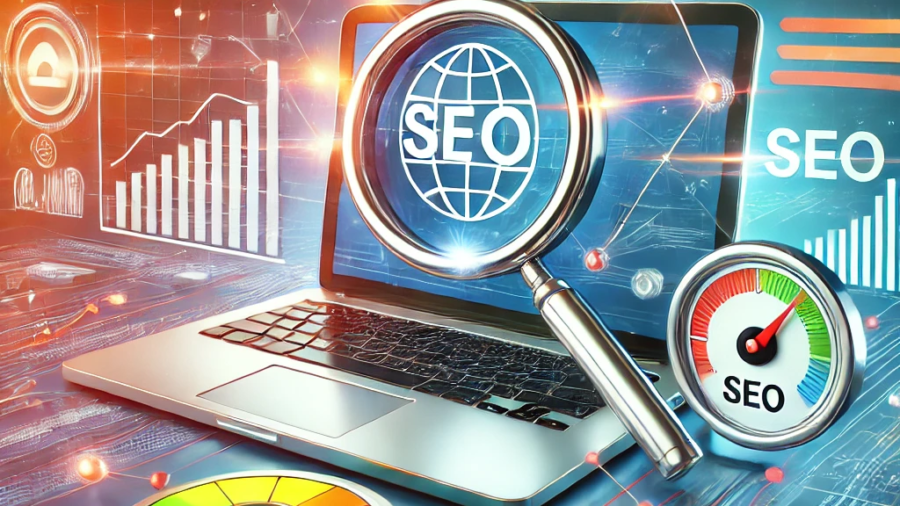
DALL·E 2025-01-21 21.36.28 - A visually appealing illustration representing website SEO optimization, showing a laptop with various SEO elements such as graphs, magnifying glass o

How to Optimize Your Website’s SEO for Better Visibility?


In today’s digital landscape, search engine optimization (SEO) plays a crucial role in driving organic traffic to your website. By optimizing your website’s SEO, you can enhance its visibility, improve user experience, and ultimately achieve higher rankings on search engine results pages (SERPs). Here’s a comprehensive guide to help you optimize your website for SEO success.

1. Conduct Keyword Research

Keyword research is the foundation of any SEO strategy. Identify relevant keywords and phrases your target audience is searching for. Use tools like Google Keyword Planner, SEMrush, or Ahrefs to find high-traffic, low-competition keywords.

  • Focus on long-tail keywords that match user intent.

  • Analyze competitor keywords to uncover potential opportunities.

2. Optimize On-Page Elements

On-page optimization ensures that your website’s content and HTML are search-engine friendly.

  • Title Tags and Meta Descriptions: Craft unique, keyword-rich title tags and meta descriptions for each page.

  • Header Tags: Use H1 for the main title and H2/H3 for subheadings to structure your content logically.

  • Keyword Placement: Incorporate keywords naturally in the first 100 words, subheadings, and throughout the content.

  • URL Structure: Use clean, descriptive URLs that include target keywords.

3. Improve Website Performance

Search engines prioritize websites that offer a fast and seamless user experience.

  • Page Speed: Optimize page load times using tools like Google PageSpeed Insights. Compress images, enable browser caching, and minimize CSS/JavaScript files.

  • Mobile-Friendliness: Ensure your site is responsive and offers an optimal experience across all devices. Test with Google’s Mobile-Friendly Test tool.

  • Secure Website: Use HTTPS to build trust and improve rankings.

4. Create High-Quality Content

Content is the cornerstone of SEO. Publish informative, engaging, and original content that addresses your audience’s needs.

  • Focus on evergreen topics that remain relevant over time.

  • Use multimedia elements like images, videos, and infographics to enhance user engagement.

  • Update older content with fresh information to maintain its relevance.

5. Optimize Images and Videos

Visual elements can boost engagement but need to be optimized for SEO.

  • Alt Text: Add descriptive alt text to all images.

  • File Names: Use keyword-rich file names for images and videos.

  • Compression: Reduce file sizes without compromising quality to improve loading speeds.

6. Build Internal and External Links

Links help search engines understand your site’s structure and establish authority.

  • Internal Links: Link to related content within your site to improve navigation and distribute link equity.

  • External Links: Include outbound links to authoritative sources to provide additional value to readers.

  • Backlinks: Focus on earning high-quality backlinks through guest blogging, partnerships, and creating shareable content.

7. Enhance User Experience (UX)

A positive user experience contributes to better SEO performance.

  • Easy Navigation: Use clear menus and intuitive navigation.

  • Readable Content: Use short paragraphs, bullet points, and legible fonts.

  • Engaging Design: Create a visually appealing website that aligns with your brand.

8. Leverage Local SEO

If your business serves a specific geographical area, local SEO is essential.

  • Google My Business: Claim and optimize your profile with accurate business information.

  • Local Keywords: Target keywords with location-specific terms.

  • NAP Consistency: Ensure your Name, Address, and Phone number are consistent across all directories.

9. Monitor and Analyze Performance

Regularly tracking your SEO performance helps identify areas for improvement.

  • Use Google Analytics and Google Search Console to monitor traffic, keyword rankings, and user behavior.

  • Conduct regular SEO audits to ensure your strategies are up to date.

10. Stay Updated with SEO Trends

SEO is an ever-evolving field. Stay informed about the latest algorithm updates and best practices.

  • Follow reputable SEO blogs like Moz, Search Engine Journal, and Neil Patel.

  • Experiment with new strategies and adapt to changes in the digital landscape.

Conclusion

Optimizing your website’s SEO is an ongoing process that requires a mix of technical, on-page, and off-page strategies. By following the steps outlined in this guide, you can boost your website’s visibility, attract more organic traffic, and achieve long-term success in search engine rankings. Start implementing these tips today and watch your website climb the SERPs!