
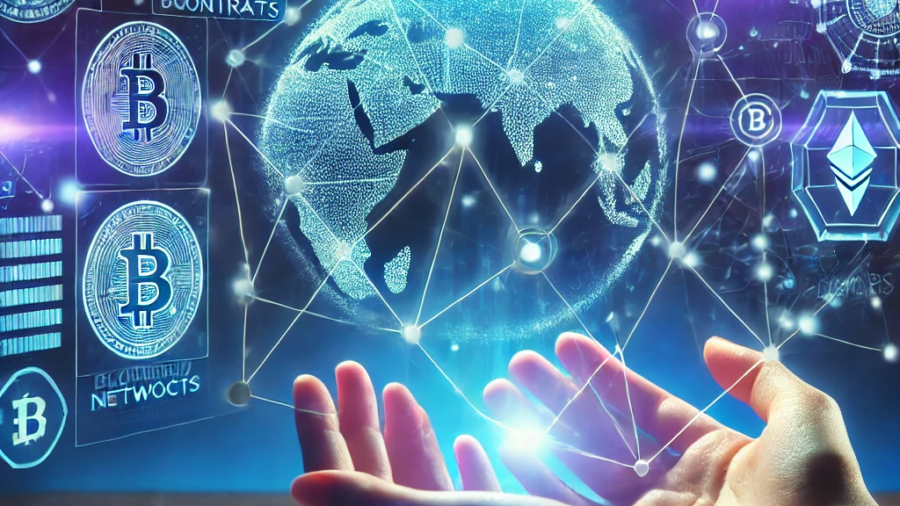

Web 3.0: The Next Evolution of the Internet
The internet has undergone significant transformations over the years, from the static web pages of Web 1.0 to the dynamic and interactive platforms of Web 2.0. Now, the world is moving toward Web 3.0 technology, a decentralized and blockchain-powered future that promises to revolutionize how we interact online. This new era brings enhanced security, transparency, and user control, shaping the future of the internet in ways never seen before.
Understanding Web 3.0
Web 3.0 is the next phase of internet evolution, focusing on decentralization, blockchain technology, and smart contracts. Unlike Web 2.0, which relies on centralized platforms controlled by tech giants, Web 3.0 enables users to have greater autonomy over their data and digital assets.
Key Features of Web 3.0
Decentralization – Eliminates the need for intermediaries by distributing data across blockchain networks.
Blockchain and Web3 Integration – Ensures secure, immutable transactions and digital ownership.
Interoperability – Different platforms and applications can seamlessly communicate through decentralized protocols.
Enhanced Privacy & Security – Users control their own data, reducing the risk of unauthorized access and breaches.
Artificial Intelligence (AI) & Machine Learning – Automates processes and improves user experience through intelligent algorithms.
How Web 3.0 Transforms Industries
With Web 3.0 technology at the forefront, industries across the globe are experiencing groundbreaking changes. Some key sectors benefiting from Web 3.0 include:
Finance (DeFi – Decentralized Finance): Blockchain-based platforms enable users to conduct transactions without intermediaries like banks.
E-commerce: Trustless transactions and smart contracts streamline online purchases and ensure buyer protection.
Healthcare: Secure patient records on blockchain enhance privacy and data accuracy.
Social Media: Decentralized social platforms prioritize user privacy and eliminate data exploitation by tech companies.
Gaming & NFTs: Players can truly own in-game assets and trade them on blockchain marketplaces.
The Role of dApps in Web 3.0
Decentralized applications (dApps) are a crucial component of Web 3.0. These applications operate on blockchain networks, offering advantages like:
Transparency – Open-source code ensures no hidden algorithms manipulate data.
Censorship Resistance – No single entity can control or shut down the application.
Monetization Opportunities – Users can earn rewards through tokenized ecosystems and decentralized finance models.
Challenges and Future of Web 3.0
Despite its potential, Web 3.0 faces some challenges:
Scalability Issues: Blockchain networks must handle massive data loads efficiently.
User Adoption: Transitioning from traditional internet models requires awareness and education.
Regulatory Concerns: Governments and financial institutions are still defining laws around blockchain and decentralized platforms.
However, with continuous advancements in Web 3.0 technology, these challenges are being addressed. As businesses and individuals embrace the decentralized web, the internet will become more secure, user-centric, and innovative.
Conclusion
The shift to Web 3.0 is redefining the digital landscape, offering enhanced security, data ownership, and decentralized applications. As the future of the internet unfolds, businesses and users alike must adapt to this new era, leveraging blockchain and Web3 innovations for a more transparent and user-driven online experience. Whether through dApps, NFTs, or DeFi, Web 3.0 is paving the way for an exciting, decentralized digital future.